
Categories
Parents Zone

Can children strengthen their limb muscles at home

Parents Zone

Source: Registered Physiotherapist, Hui Wing Yee

Children have a heavy academic workload and spend more time at home, losing many opportunities to exercise. However, the development of children’s limb muscles is very important, and some stretching exercises for the waist and upper limbs can be done at home.

The first set of exercises is the lunge and twist, which helps to exercise the core muscles and lower limb muscles. First, open your feet to hip width, place your hands on both sides of your body, step out with your right foot to maintain a 90-degree angle on both knees, open your hands with palms facing forward, slowly turn to the right, and hold for two seconds. Then return to the original position with hands hanging down, repeating on both sides ten times.

The second set of exercises is quadruped limb raises. These exercises help strengthen our back and limb muscles. If possible, use a yoga mat to avoid putting pressure on your knees. First, start on all fours with your hands shoulder-width apart and your knees hip-width apart. Lift your right hand and left leg straight out, creating a horizontal line. Tighten your back and abdominal muscles, hold for two seconds, then switch to your left hand and right leg. Alternate between both sides for a total of ten reps.

Categories
Parents Zone

How should parents deal with young children who are overly addicted to cell phone games

Parents Zone

Source: Family Dynamic, Marriage and Family Therapist, and Hypnotherapist, Wong Shi Ming

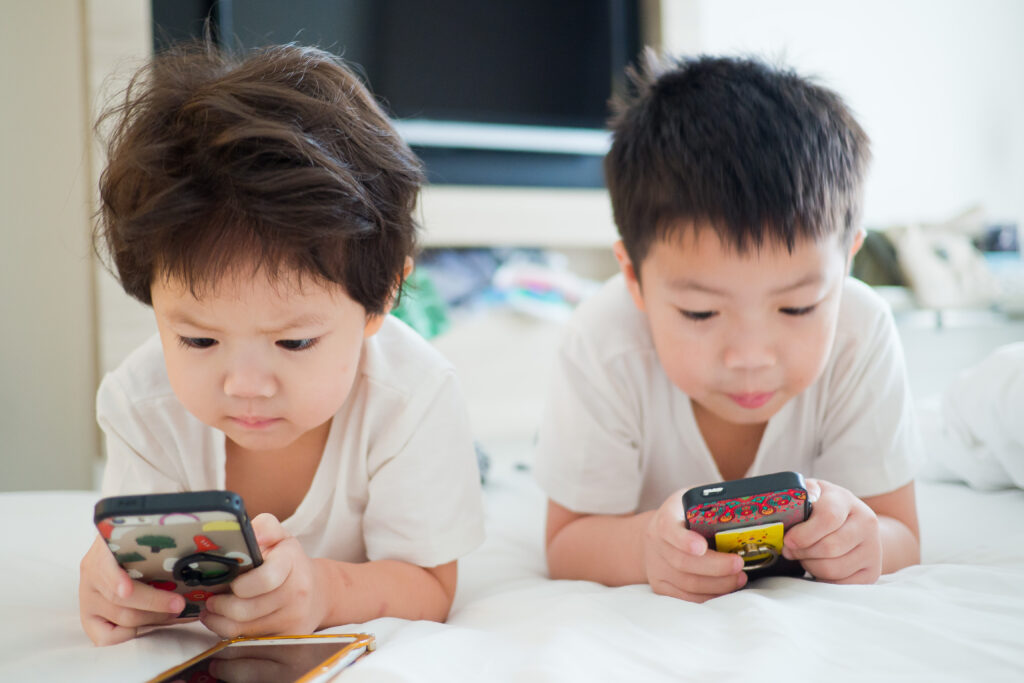
Phones emit light and sound, which always attracts children to play endlessly. Some children cannot let go of their phones no matter what they are doing, whether it is eating, riding in a car, or going to school. How can parents solve this problem?

First of all, everyone should understand that the children’s reaction is inevitable. Phones can provide a lot of sensory stimulation, and there is no game over. It can be restarted, which gives a sense of accomplishment and can also distance children from the pressure and frustration of parents and school, making them feel invincible. Physiologically speaking, playing electronic games will release a large amount of dopamine in the brain, which excites and stimulates the frontal lobe, and gradually loses self-control. Therefore, many adults cannot control themselves, let alone children?

Children can also be drawn to phones without realizing it, which gives most parents in Hong Kong nightmares today. I see many parents and children caught in a never-ending cycle of struggle and frustration. If not controlled, it not only affects children’s learning but also seriously affects their focus, brain development, health, and eye diseases. Therefore, phone addiction will also be listed as a form of psychological addiction, like alcohol and drugs.

In fact, I have seen a middle school student addicted to playing the mobile game “PUBG,” where he had to pick up items on the ground, some of which could be booby-trapped and explode. What caused him to be hospitalized? He was unable to use his hands to hold objects; instead, he had to touch them lightly, which caused him to feel nervous. He was afraid of using his fingers to pick up things. Therefore, if you discover such a problem, you can handle it early and prevent situations like the one above from happening.

Parents have more experience, wisdom, and resources than their children, and you can’t lose as a parent. Your only weakness is that you love your child too much. You may be too soft-hearted, but you need to know that it’s easy to give but hard to take it back. Therefore, parents should first negotiate a reasonable and feasible plan with their children, such as allowing 30 minutes of playtime per day, but only after they finish their homework.

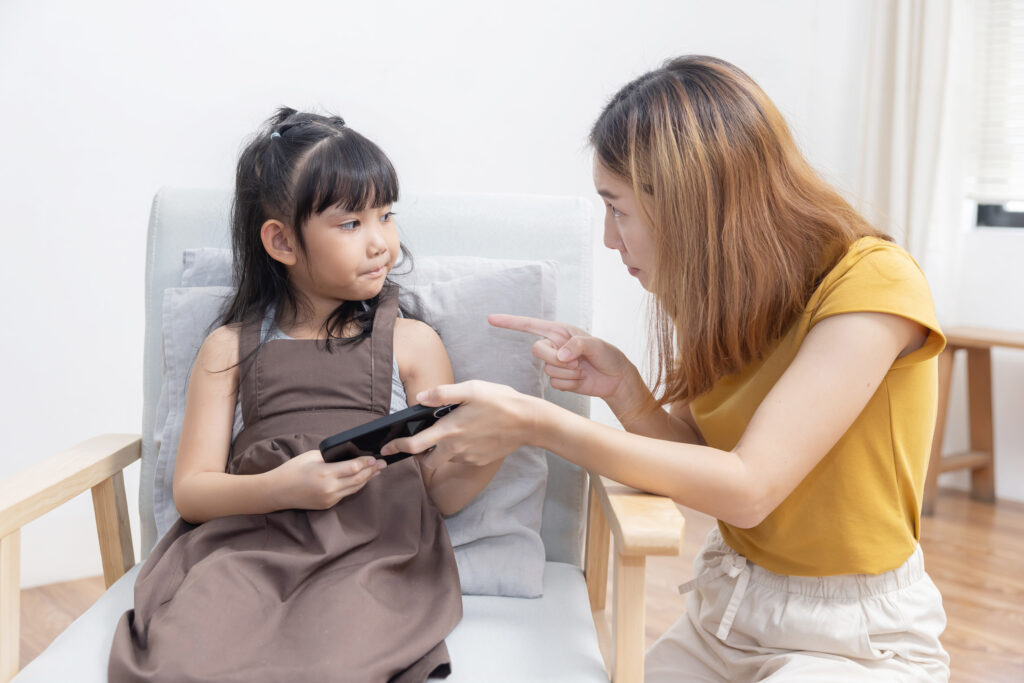
As for controlling children, parents should first choose an appropriate battlefield, avoiding public places, and the best place is at home. Even when taking the phone away, parents should try to avoid physical contact, such as snatching or unplugging the phone cord, which could harm the relationship with their child. Parents should first use a gentle and affirmative tone to warn their child multiple times. If the child still refuses to hand over the phone, remind him of the consequences he agreed to, and eventually, when he falls asleep, you will be able to retrieve it. But parents must firmly execute the consequences without any room for negotiation, even if it means resorting to negative strategies.

To provide a more positive approach, parents can offer opportunities for their children to engage in outdoor activities together and create a family environment that gives children options, a sense of achievement, and a chance to start over, building their confidence and abilities, all of which can help attract children away from their phones.

Finally, many parents worry that if their child doesn’t have a phone while other children do, it could lead to feelings of inadequacy and concerns about falling behind in their development. So, I know it’s not possible to keep kids away from phones completely, but I think parents should try to keep their kids away from phones for as long as possible, especially when they’re young.

At the same time, parents should be careful and not take this issue lightly. With enough creativity and interaction with their children and by remaining persistent, parents can change their children’s habits.

Categories
Parents Zone

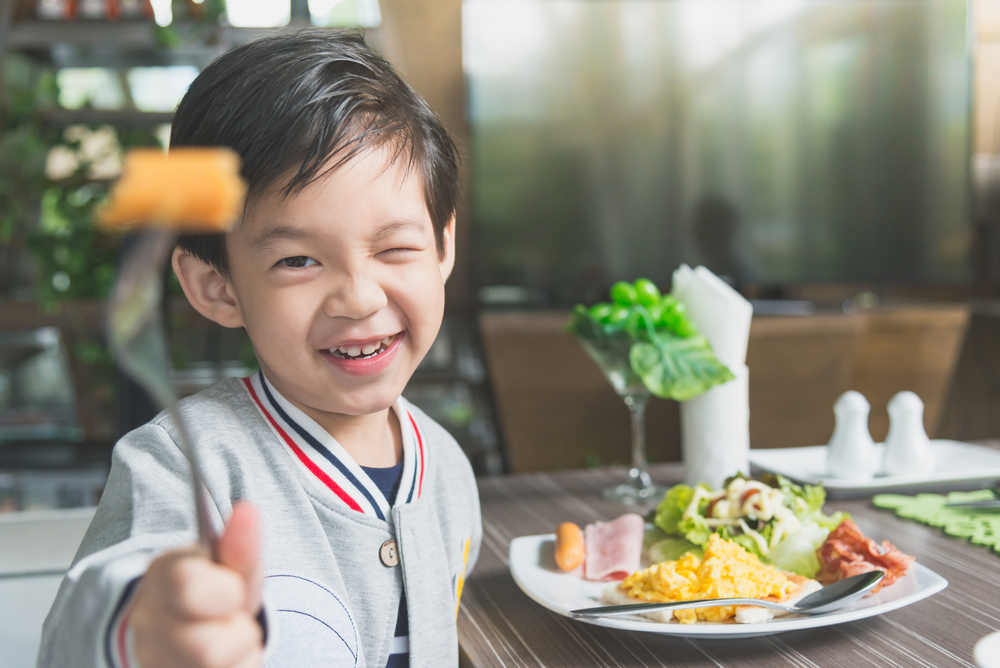
What kind of rice is suitable for children’s eating

Parents Zone

Source: Founder of Kat-Spirit Nutrition Health Centre, Senior Nutritionist, Ng Yiu Fun

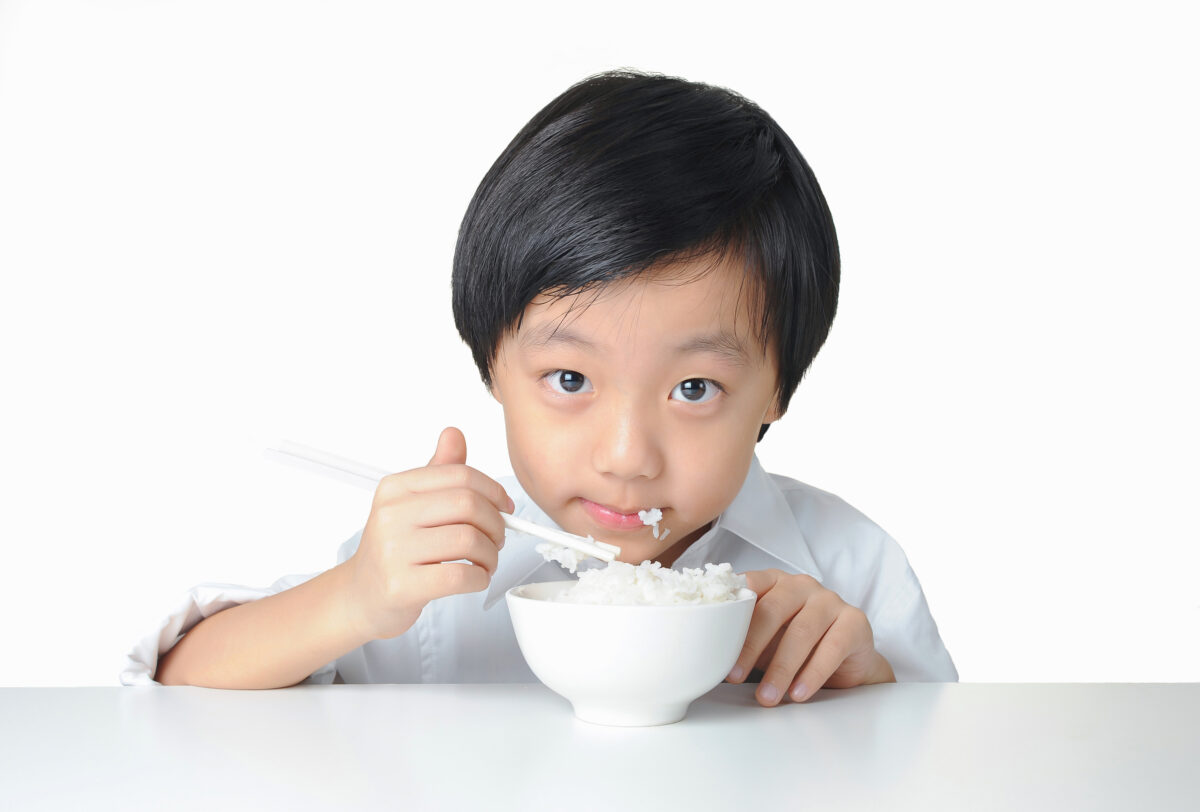
In modern society, we all pay much attention to the nutrition of children. What type of rice will provide more nutrition to children, and will they be willing to eat it? We often cook brown rice or red rice for children to eat, but they do not like it very much. The main reason is that it takes longer to chew or is harder, so they can’t swallow it after chewing for a long time.

This rice may even cause stomach aches in adults. Children’s digestive abilities are not as good as adults’, so we are worried that they may have stomach aches. Nowadays, many people do not eat white rice; they may switch to germ rice, millet rice, or oatmeal rice, and among them, I would recommend millet rice the most!

The price of millet rice is relatively inexpensive, about ten dollars or so a catty. If it costs less than $20 per catty, it is both nutritious and inexpensive, a kind of smooth and creamy food that can even be cooked into porridge. This is a good choice for cooking millet rice; even if you add rice, you will not notice a difference in texture, which is typical of white rice. Children will not feel that you have added something strange to it; they will naturally eat. It’s soft and wouldn’t cause a stomach ache.

If you do not eat this, there are other options, such as germ rice, but if you pay attention to what germ rice is, it is brown rice, and then peel a layer of the shell, there will be less fiber. But it retains the most nutritious part of the germ; the vitamin B complex is also in this part, so it is very nutritious, but the fiber is less than in brown rice. The taste will be smoother, and it will not feel as hard, but the price will be relatively high, possibly sixty to seventy dollars.

Another mid-priced option is quinoa. Quinoa is available in black, red, and white. If children are nervous about the color and don’t like to eat it, they may choose white quinoa, which is rich in nutrients. Black quinoa is higher in iron and anthocyanins.

I don’t recommend ten-grain rice for children, as their stomachs are more delicate, and the rice may need to be soaked overnight before it becomes soft. They may feel like there are many different kinds of rice in it and not like it. Of course, some children are more curious and may like it. But many children are accustomed to eating regular food when they are small and will only try different foods when they grow up. We may wait until they are ten or eight years old before giving ten-grain rice. However, we still need to soak it before boiling it with other rice. Otherwise, even if it is healthy, it will cause stomach aches.

Some people will put red beans in; how exactly do we put them in? We have to pre-soak the red beans until they are soft, or even boil them until they are soft, before cooking them with rice. In fact, red bean rice is very nutritious; for example, Japanese like eating red bean rice. Also, there are other types of rice, like sweet potato rice, corn rice, and chestnut rice, which is suitable for eating in autumn. Different combinations make eating rice more interesting than just plain white rice. Chestnuts are high in calcium and iron to enhance bone growth and help prevent anemia, and people will be more energetic and not so easily fatigued.

Categories
Parents Zone

Why will children pamper

Parents Zone

Written by:Dr. Wilbert Law, an assistant professor in the psychology department at Hong Kong University of Education and a registered educational psychologist. 

How do parents react when their children coax and pamper them, ask for different things,  or play with them in a baby-like voice? Do you think children are troublesome? Or do you feel that your child is just messing around, doing nothing serious?

But why will children pamper? Research has shown that adults are particularly sensitive to the sound of pampering, so it is easier to catch their attention. It is possible that the child is pampering his parents because he needs your attention at that moment. Sometimes adults are so busy with their lives that they may neglect them, so children will pamper their parents when they see them.

Another possibility is that when children are tired or feel powerless, they may pamper or   act like babies. These behaviors are very common in the growing-up stage.

How can parents respond when their children are pampering their parents? In fact, when we understand the possibility of our children’s pampering, we know that they are not deliberately provoking parents, they can try to sit down and talk with their children to understand their needs, especially if the child is pampering because he or she is tired. We can help them express themselves with some words. For example, ask your child, “How do you feel?” “Are you very tired?” “What can I do for you?”

Of course, you may also want to reduce your child’s pampering behavior by encouraging them more, using age-appropriate words and behaviors, and praising and affirming them more often. When they are pampering you, do not scold or mock them.

Categories
Parents Zone

What can I eat to refresh my brain and enhance my memory

Parents Zone

Written by : Registered Dietitian (Australia)

Chung Yong Man

It’s exam season and students are studying hard for their exams. Many parents ask, “What are the best foods to help your child refresh and maintain a good memory?

Carbohydrates

Carbohydrates are digested and converted into glucose, which provides sufficient energy for the brain. Therefore, I recommend eating an appropriate amount of carbohydrates at each meal to maintain the effective functioning of the brain. Food sources include grains and cereals such as rice, noodles, bread, oats, etc., and high starchy vegetables such as potatoes, corn, sweet potatoes, chestnuts and taro. Choosing high-fiber grains and cereals such as whole grain breakfasts, oats, whole wheat bread and red rice will help stabilize blood sugar and maintain concentration.

Omega-3 fatty acids

Omega-3 fatty acids, such as EPA and DHA, are the main elements that make up the brain’s cell membranes and nerve tissues, maintaining the normal transmission of messages in the nervous system and helping to maintain good memory. Omega-3 fatty acids can be obtained from eating deep-sea fish such as salmon, tuna, mackerel, etc. I recommend eating 2 to 3 meals a week, with each meal being about 2 to 3 ounces (the size of the palm of your hand). In addition, almonds, walnuts and avocados are also rich in omega-3 fatty acids.

Lecithin

Lecithin is one of the important elements in the composition of the neurotransmitter acetylcholine, so adequate intake helps to revitalize brain cells, make thinking sharper and enhance memory. Eggs, soybeans and their products such as tofu, soy milk and baked beans with ketchup are rich in lecithin.

Iron

Iron is the main element in the production of red blood cells, which transports enough oxygen and nutrients to the brain to help keep it awake. Red meats such as beef, lamb and ostrich are rich in iron, and I recommend eating 2 to 3 meals a week at about 2 to 3 ounces per meal. Iron can also be taken from dark green vegetables such as spinach and red kidney beans, but since plant-based iron is more difficult to be absorbed by the body, foods rich in vitamin C, such as oranges, kiwis and tomatoes, can be eaten at the same meal to increase absorption.

Antioxidant Nutrients

Stress and poor diet can increase free radicals in the body, which can damage body cells and accelerate degeneration, or impair memory. Vitamins A, C, and E are antioxidants that protect brain cells from free radical damage and prevent memory loss. Foods rich in vitamin A include carrots, pumpkin and spinach; vitamin E can also be obtained from nuts, eggs and dried beans.

The above nutrients can promote brain health, but we should not only focus on the intake of a single nutrient. I encourage people to diversify their diets as much as possible to get enough nutrients to keep the brain functioning optimally.

Categories
Parents Zone

What constitutes a language development delay in a child

Parents Zone

Source: Speech Therapist, Mok Yee Tuen

Typically, babies start making sounds as soon as they are born, such as different crying sounds to express their demands. From 4 to 8 months, they start babbling, which is part of the language preparation period. Children actually go through a ladder of language development, starting with just learning single words and ending with being able to tell stories with their words.

Babies from 9 months to 1 year generally start producing their first meaningful word, such as “ba,”  “ma,” or “ball ball.” From 1 to 2 years old, their understanding and vocabulary expression increase greatly, with the accumulation of single words forming two-word phrases, such as “mommy drink” and “eat bun bun.”

From 2 to 3 years old, children generally speak in longer sentences and can express different needs. For example, they like to add a word to the two-word phrases, forming three-word combinations, such as “Daddy eat bun” and “I want grandma.” Some children start using adjectives, such as “sister eats a big apple.”

Young children generally recognize more different sentences and start using conjunctions after 3 and a half years old, and by 5 years old, they slowly understand how to combine different sentences and use more conjunctions and start to narrate things logically, that is, by telling stories.

In fact, the language development of young children is slightly different for each person, but through empirical research, we also have some important reference indicators to see if a child may have a speech delay.

The first is that there are no words at 2 years old.

Second, no sentences appear before the age of three.

The third is that speech is unclear and hard to understand after 3 years old,

Fourth, sentences are still unclear after 5 years old.

If the child is not speaking more and more as they grow, parents should seek the help of a professional to assess and train them as soon as possible.

Categories
Parents Zone

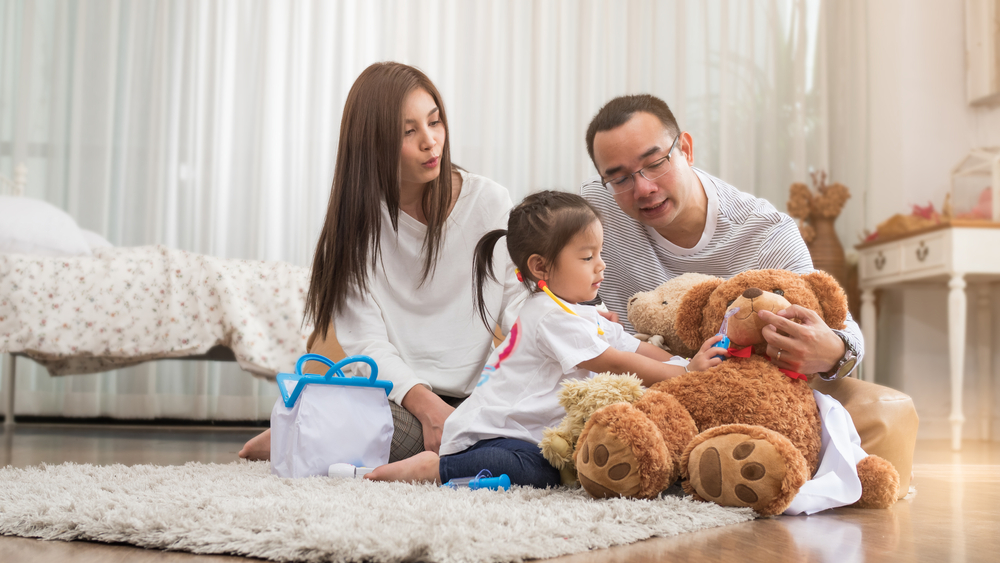
Become a secure attachment for your child. Parent-child interaction is especially important

Parents Zone

Written By: Ms. Lui Shuk Jing, Family Dynamics Personal, Marriage and Family

Therapist

There is a Chinese saying “the age of three determines 80” and the West has another saying “The future is now”.It is clear that both Chinese and foreign parents have relevant parenting experience and believe that the early years are the golden age for shaping the healthy growth of their children. Many parents understand that they are the key influencers of their children’s growth, and that their children will learn by example, so they have to set an example and start to discipline them at a young age.

I believe that parents focus on disciplining their children’s behavior, but recent studies in medicine, science, psychology, and early childhood development all point to the interaction and relationship between parents and children as the foundation for their children’s development.

“Attachment Theory research clearly shows that as early as 0-18 months of age, a parent or primary caregiver forms a lifelong relationship pattern with the child that will be passed on for the rest of the child’s life. Once a secure attachment relationship is established, it is like a secure base that can be effective in dealing with future turbulent situations and in building the ability to have a successful family relationship.

Conversely, once an insecure relationship pattern is established, it can have a negative impact on an infant’s future growth, emotional processing, and family relationships.

Secure Attachment

The key to establishing a secure attachment pattern is for parents to establish a secure attachment when their child is 0-18 months old. Parents can build secure attachments based on the following suggestions

  • Be close to your child often, especially when they need it, such as when they cry and see their parents comforting them so that they know you are always there for them.
  • Invest emotionally in the parent-child relationship so that your child knows that you enjoy spending time with them and are interested in them, rather than being preoccupied with your own work. So parents need to play with their children from time to time to increase parent-child interaction and communication.
  • Parents are sensitive to their children’s emotional needs because children need you not only to meet their physical needs but also to care about their emotions and help them express and respond to them, especially negative emotions. When your child is dancing or smiling, you will help them say, “My baby is so happy! I’m so excited!” When your child is upset or crying, you will pick them up and offer protection and comfort. As they grow older, they will have more complex emotions, such as worry, fear, anger, frustration, and shame, and parents need to encourage and help their children express them, even though their negative emotions may have something to do with them.

Insecure Attachment

I have handled many cases in which the children are smart and well-behaved and have excellent academic performance, but they are very disturbed emotionally. Their parents think they are leading by example, loving their children and working hard, but they do not understand how their children can have emotional problems. If they look closely at the “attachment pattern” between themselves and their children to see if they are always close to their children, if they are emotionally involved, and if they can meet their children’s  emotional needs, it will be easy to find the core of the problem and help parents rebuild a secure attachment relationship with their children so that they can rely on them and build a foundation for growth.

Categories
Parents Zone

Keep crying when going to school. How to reduce the dependence of children on their parents?

Parents Zone

Written by: Pang Chi Wah, Registered Educational Psychologist, New Horizon

Development Centre

During the school season, we always hear sad cries at the entrance of the school, and it is always a headache for parents when children do not want to go to school alone without their parents. Because newborns lack the ability to protect themselves, survive and feed themselves, they must rely on their parents in their daily lives. This is not only true for humans, but also for babies of other mammals, such as dogs, lions, and dolphins, who must rely on their parents for survival.

As they grow older, some children are able to live more independently and gradually become independent of their parents, while others progress more slowly. For example, some three- and four-year-olds are not allowed to leave their eyesight even though their parents are still at home; some cannot go to playgroups or extracurricular activities by themselves, or they will scream and cry. In some cases, even if the mother is outside, the child refuses to go to the toilet alone.

Why do children rely on their parents?

Why do children become dependent? It may be because the child is not physically active enough to take care of himself/herself, or it may be due to psychological factors, they are afraid or they are used to relying on their parents. In fact, parents can gradually train their children to be independent, mentally and habitually, so that they can reduce their over-dependence.

Increase the strength of using eating utensils

When children eat, they are passively fed by parents at first, then parents can hold their children’s hands to feed them so that they need to move their arms. Then gradually change the grasping part to the wrist, forearm, and elbow, so that the child needs to gradually increase the strength of using the eating utensil

Increase parental time away from the child and walking time

When children are accompanied by their parents at home, one of the parents can try to leave the child’s sight for a short period of time, and after the child gets used to it, both parents can leave together and let the child be taken care of by others. At the sametime, parents can also increase the time of leaving according to the child’s progress.

When going out, parents can gradually reduce the time of holding the baby and ask them to try to walk home by themselves. Instead of carrying the baby all the way home, gradually change to carrying the baby to land at the door of the house, landing in front of the elevator, landing in the ground floor lobby, and landing after returning to the estate, gradually increasing the time for the baby to walk.

Inertia dependence of children is caused by parents 

In fact, some children’s habitual dependence is caused by parents who take care of their children too much, give them too much, or give them too much help in the process of growth. Some parents think that their children are weak and cannot do anything well,  so they do most of the work for them in order not to mess things up, and some parents even feel successful because their children are caring and dependent on them. If the situation continues, it will have many negative effects on the child in the future.

One day, children will be independent of their parents and need to take care of themselves, so parents should let go of their children appropriately in order to let them grow up. There are many books about the growth of children and objective guidelines for appropriate behavior at each age for parents’ reference.

Categories
Parents Zone

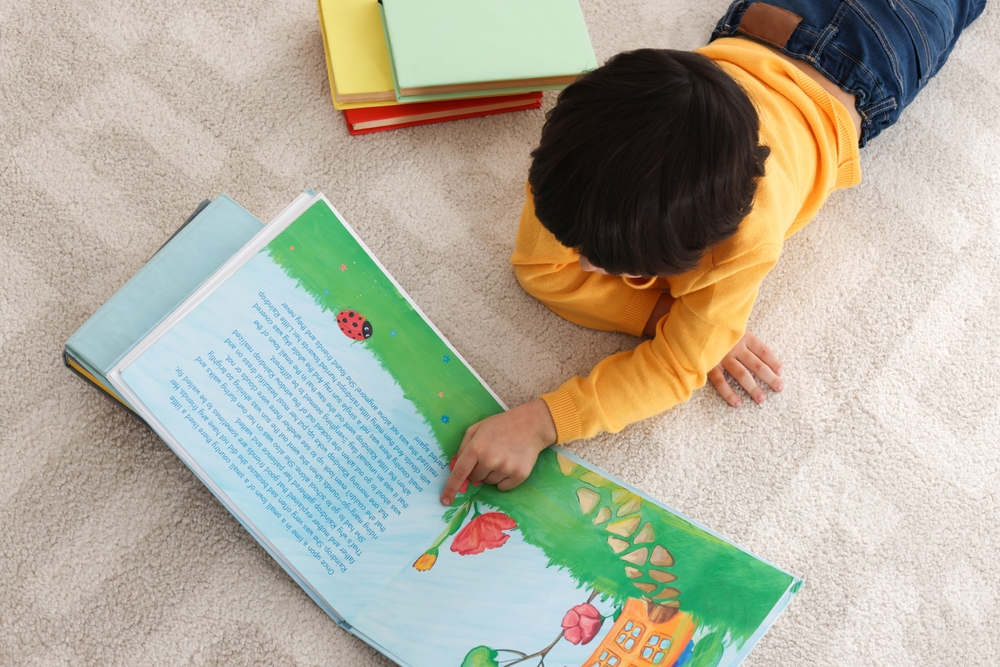
Storytelling education, what can parents do?

Parents Zone

Written by: Senior Early Childhood Education Consultant, Miss Mok Loi Yan

Many parents have asked me about storytelling topics that are challenging to explain to young children, such as stories involving death, like “The Little Match Girl,” or stories with violence, like “Little Red Riding Hood.” Due to the detailed depiction of events in the storybooks and lifelike illustrations, children may experience significant fear of death after listening to or reading such stories. They might be unable to express their inner discomfort, and some children even burst into tears after hearing these stories. What was originally meant to be an enjoyable parent-child storytelling time ends up having the opposite effect, triggering a heavy psychological burden on the children and leaving parents feeling guilty and unsure of how to handle the aftermath.

Fewer Characters, Positive Plot

I advise parents to start by selecting stories that are deemed suitable for a child’s mental and comprehension level from the vast array available in libraries. These stories typically have fewer characters, and a positive plot, and are easy for parents to use during interactive storytelling to help children understand causality and emotions. Stories with fewer characters allow children to focus more on understanding the transformation of the characters’ inner selves, behavior, and values within the story context.

Choosing stories with a positive plot helps build qualities such as self-awareness, problem-solving skills, confidence, and analytical ability in children. These positive aspects counterbalance stories with negative themes, bad situations in stories, or the ability to face difficulties in reality. Therefore, unless parents are certain that their children have accumulated a sufficient foundation of resilience from such stories and mental experiences, they should avoid exposing children to stories with terrifying or negative themes until these prerequisites are met.

Inspiring Cognitive Growth and Positive Character Principles

Secondly, starting with the educational significance that stories bring to children, it is crucial to steadfastly adhere to the principles of inspiring children’s cognitive growth and fostering positive character development! Regardless of how convincingly the storyteller portrays evil and villains, don’t forget the original intention! Storytelling education is a process of interactive learning between the audience and the storyteller, stemming from the direct description of scenes, associated information, and the shared underlying meaning. These observations, descriptions, awareness, and interactive content arise from the mental and emotional states of the audience and storyteller at that moment, as well as their accumulated personal experiences.

The role of the storyteller in education is highly important. In addition to carefully preparing and reading the story content, emphasizing key points and conveying the underlying meaning clearly, the storyteller should also be prepared to trigger children’s thinking about people and events at certain points in the story. Providing opportunities for the exchange of values in description and atmosphere creation is essential. Most importantly, observe the audience’s reactions while listening to the story and engage in interactive parts that deepen thought and sustain curiosity.

Dramatization and interaction should be humanized

Thirdly, ensure that the dramatization and interaction by the storyteller have the invigorating effect of being humanized and appealing to innate goodness. Whether in stories or the real world, children face different psychological and situational challenges that provide them with important opportunities for development. These experiences make them happier and more resilient than children who grow up in a sheltered environment. As the guiding light for children, we should equip them with the abilities needed for their journeys in life. Therefore, gradually tailor stories to children’s life experiences and cognitive levels, providing narratives of different levels, encounters, or aspects of human nature for them to hear.

When the storyteller portrays negative characters or delves into psychological crossroads and choices involving human nature, it is even more crucial to vividly depict the inner dialogue of conscience. The storyteller, assuming a narrative role, should provide children with positive consequences as a reference and analyze the relationships between themselves, characters, and situations. When parents engage in storytelling education with children, any decisions made in response to presented scenarios must be voluntary. Allowing children to experiment, face challenges, or find solace in the virtual world is essential. Moreover, it is important to make children aware of the parents’ stance and understand that parents are open to discussion and can be approached for communication! If the interactions spark reflective thoughts on love in children, helping them find their position in these values, the storyteller has successfully illuminated an outstanding life for the child through the story.

Categories
Parents Zone

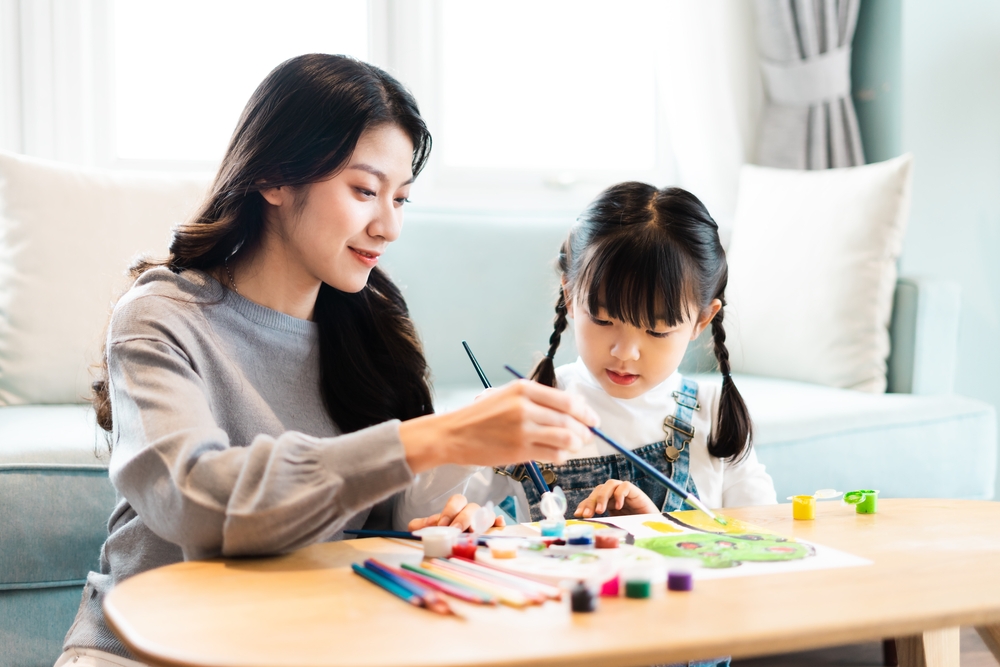
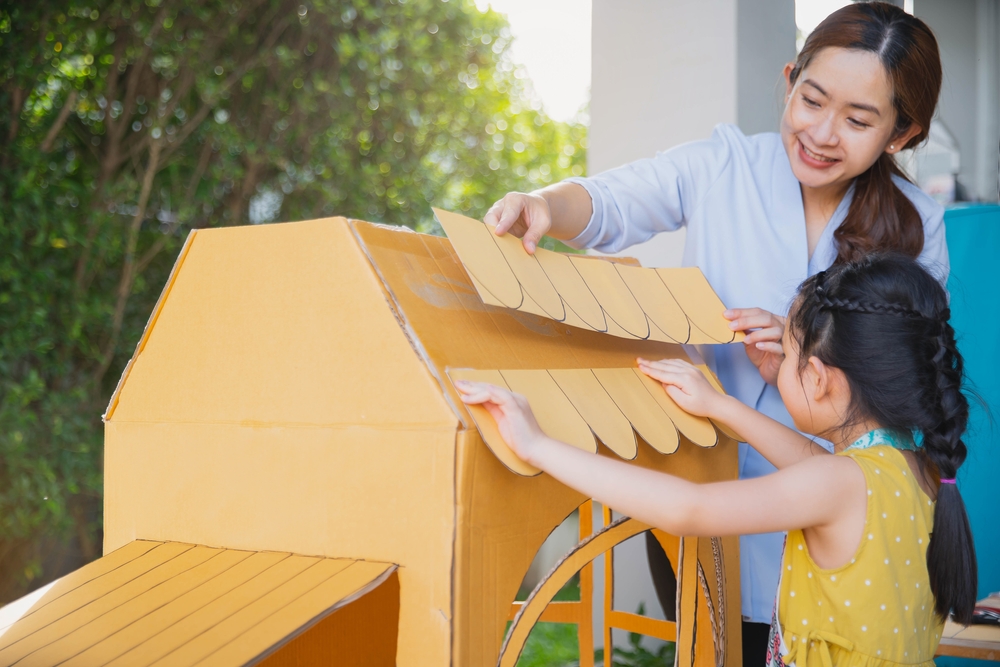
Parent-child creative art creation

Parents Zone

Written by: Director of Pario Arts, Lee Sou Jing

Everyone has creativity and artistic potential. If properly nurtured, it can enhance one’s moral sentiments and make life more perfect. In the artistic atmosphere, diverse activities inspire individuals’ creativity, aesthetic sense, and diverse abilities, promoting holistic development. ‘Love’ is the driving force of creation. In a free, democratic, safe, and harmonious environment and atmosphere, it is the expression of ‘love,’ emphasizing mutual tolerance, acceptance of different opinions, and respect for and acceptance of others. So, how can parent-child creative art creation express ‘love’? Here, the author shares his views with all parents.

The significance of parent-child creative art creation:

  • Art education starts with individuals. Parents try to engage in artistic creation to cultivate their children’s artistic accomplishments.
  • The first lesson of art education begins with ‘listening’ and ‘acceptance.’ Parents learn to accept the diverse ways in which children express their creativity.
  • Through the joint participation and experience of parent-child art creation, parents can get closer to and understand their children’s hearts.
  • Parent-child art creation helps children to understand themselves and release emotions and stress.
  • By integrating an atmosphere of mutual appreciation and respect, it reduces parental stress and anxiety, thereby enhancing parent-child relationships.
  • Making parent-child fall in love with creation, integrating art into life, and enhancing the quality of life.

Artistic Cultivation Tips

  • Cultivate a kind of knowledge in being human and enhance the ability to share, that is, ’empathy.’
  • According to the research of psychologist Hoffman on the development of human empathy, ’empathy’ is the ability to understand the feelings of others and to put oneself in their shoes.
  • The three steps of ’empathy’: (1) Imagine standing in the other person’s position (2) Identify the other person’s true feelings (3) Convey understanding and feelings to the other person.
  • Empathy’ is an important ability in interpersonal relationships. Only those with ’empathy’ can establish good interpersonal relationships, self-discipline, and a sense of responsibility.
  • Children at the age of 2 to 3 can already understand the feelings of others. In order for children to be compassionate, possess ’empathy,’ and understand love and care for others, it is very important for parents to lead by example.
This site is registered on wpml.org as a development site.