Categories
Parents Zone

What can I eat to refresh my brain and enhance my memory

January 2026

Written by : Registered Dietitian (Australia)

Chung Yong Man

It’s exam season and students are studying hard for their exams. Many parents ask, “What are the best foods to help your child refresh and maintain a good memory?

Carbohydrates

Carbohydrates are digested and converted into glucose, which provides sufficient energy for the brain. Therefore, I recommend eating an appropriate amount of carbohydrates at each meal to maintain the effective functioning of the brain. Food sources include grains and cereals such as rice, noodles, bread, oats, etc., and high starchy vegetables such as potatoes, corn, sweet potatoes, chestnuts and taro. Choosing high-fiber grains and cereals such as whole grain breakfasts, oats, whole wheat bread and red rice will help stabilize blood sugar and maintain concentration.

Omega-3 fatty acids

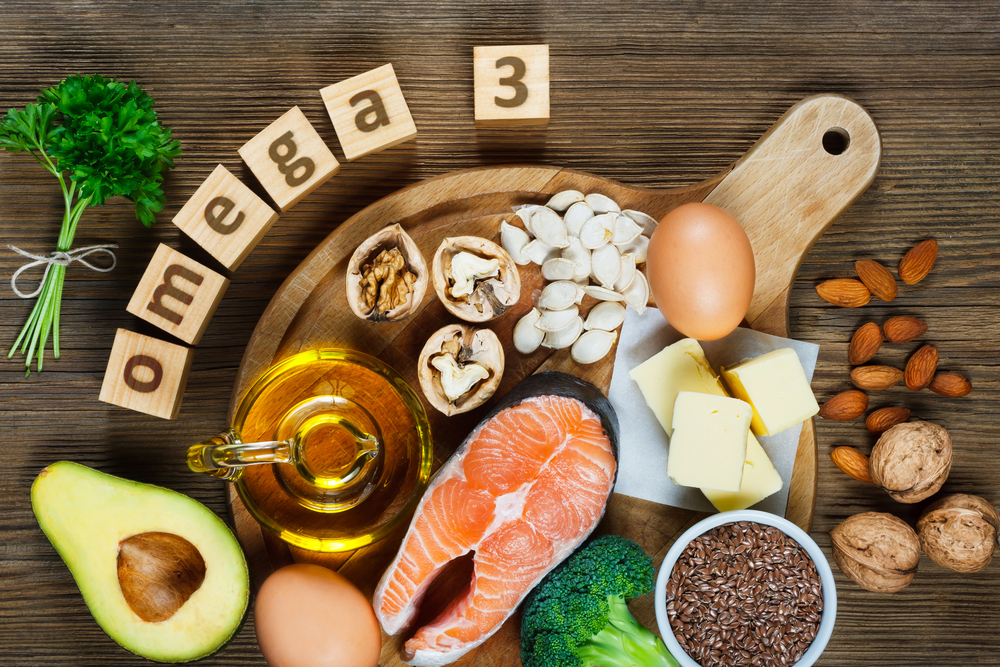
Omega-3 fatty acids, such as EPA and DHA, are the main elements that make up the brain’s cell membranes and nerve tissues, maintaining the normal transmission of messages in the nervous system and helping to maintain good memory. Omega-3 fatty acids can be obtained from eating deep-sea fish such as salmon, tuna, mackerel, etc. I recommend eating 2 to 3 meals a week, with each meal being about 2 to 3 ounces (the size of the palm of your hand). In addition, almonds, walnuts and avocados are also rich in omega-3 fatty acids.
Lecithin

Lecithin is one of the important elements in the composition of the neurotransmitter acetylcholine, so adequate intake helps to revitalize brain cells, make thinking sharper and enhance memory. Eggs, soybeans and their products such as tofu, soy milk and baked beans with ketchup are rich in lecithin.

Iron

Iron is the main element in the production of red blood cells, which transports enough oxygen and nutrients to the brain to help keep it awake. Red meats such as beef, lamb and ostrich are rich in iron, and I recommend eating 2 to 3 meals a week at about 2 to 3 ounces per meal. Iron can also be taken from dark green vegetables such as spinach and red kidney beans, but since plant-based iron is more difficult to be absorbed by the body, foods rich in vitamin C, such as oranges, kiwis and tomatoes, can be eaten at the same meal to increase absorption.

Antioxidant Nutrients

Stress and poor diet can increase free radicals in the body, which can damage body cells and accelerate degeneration, or impair memory. Vitamins A, C, and E are antioxidants that protect brain cells from free radical damage and prevent memory loss. Foods rich in vitamin A include carrots, pumpkin and spinach; vitamin E can also be obtained from nuts, eggs and dried beans.

The above nutrients can promote brain health, but we should not only focus on the intake of a single nutrient. I encourage people to diversify their diets as much as possible to get enough nutrients to keep the brain functioning optimally.


Categories
Parents Zone

What constitutes a language development delay in a child

January 2026

Source: Speech Therapist, Mok Yee Tuen

Typically, babies start making sounds as soon as they are born, such as different crying sounds to express their demands. From 4 to 8 months, they start babbling, which is part of the language preparation period. Children actually go through a ladder of language development, starting with just learning single words and ending with being able to tell stories with their words.

Babies from 9 months to 1 year generally start producing their first meaningful word, such as “ba,”  “ma,” or “ball ball.” From 1 to 2 years old, their understanding and vocabulary expression increase greatly, with the accumulation of single words forming two-word phrases, such as “mommy drink” and “eat bun bun.”

From 2 to 3 years old, children generally speak in longer sentences and can express different needs. For example, they like to add a word to the two-word phrases, forming three-word combinations, such as “Daddy eat bun” and “I want grandma.” Some children start using adjectives, such as “sister eats a big apple.”

Young children generally recognize more different sentences and start using conjunctions after 3 and a half years old, and by 5 years old, they slowly understand how to combine different sentences and use more conjunctions and start to narrate things logically, that is, by telling stories.

In fact, the language development of young children is slightly different for each person, but through empirical research, we also have some important reference indicators to see if a child may have a speech delay.

The first is that there are no words at 2 years old.

Second, no sentences appear before the age of three.

The third is that speech is unclear and hard to understand after 3 years old,

Fourth, sentences are still unclear after 5 years old.

If the child is not speaking more and more as they grow, parents should seek the help of a professional to assess and train them as soon as possible.

Categories
Parents Zone

Become a secure attachment for your child. Parent-child interaction is especially important

January 2026

Written By: Ms. Lui Shuk Jing, Family Dynamics Personal, Marriage and Family

Therapist

There is a Chinese saying “the age of three determines 80” and the West has another saying “The future is now”.It is clear that both Chinese and foreign parents have relevant parenting experience and believe that the early years are the golden age for shaping the healthy growth of their children. Many parents understand that they are the key influencers of their children’s growth, and that their children will learn by example, so they have to set an example and start to discipline them at a young age.

I believe that parents focus on disciplining their children’s behavior, but recent studies in medicine, science, psychology, and early childhood development all point to the interaction and relationship between parents and children as the foundation for their children’s development.

“Attachment Theory research clearly shows that as early as 0-18 months of age, a parent or primary caregiver forms a lifelong relationship pattern with the child that will be passed on for the rest of the child’s life. Once a secure attachment relationship is established, it is like a secure base that can be effective in dealing with future turbulent situations and in building the ability to have a successful family relationship.

Conversely, once an insecure relationship pattern is established, it can have a negative impact on an infant’s future growth, emotional processing, and family relationships.

Secure Attachment

The key to establishing a secure attachment pattern is for parents to establish a secure attachment when their child is 0-18 months old. Parents can build secure attachments based on the following suggestions

  • Be close to your child often, especially when they need it, such as when they cry and see their parents comforting them so that they know you are always there for them.
  • Invest emotionally in the parent-child relationship so that your child knows that you enjoy spending time with them and are interested in them, rather than being preoccupied with your own work. So parents need to play with their children from time to time to increase parent-child interaction and communication.
  • Parents are sensitive to their children’s emotional needs because children need you not only to meet their physical needs but also to care about their emotions and help them express and respond to them, especially negative emotions. When your child is dancing or smiling, you will help them say, “My baby is so happy! I’m so excited!” When your child is upset or crying, you will pick them up and offer protection and comfort. As they grow older, they will have more complex emotions, such as worry, fear, anger, frustration, and shame, and parents need to encourage and help their children express them, even though their negative emotions may have something to do with them.

Insecure Attachment

I have handled many cases in which the children are smart and well-behaved and have excellent academic performance, but they are very disturbed emotionally. Their parents think they are leading by example, loving their children and working hard, but they do not understand how their children can have emotional problems. If they look closely at the “attachment pattern” between themselves and their children to see if they are always close to their children, if they are emotionally involved, and if they can meet their children’s  emotional needs, it will be easy to find the core of the problem and help parents rebuild a secure attachment relationship with their children so that they can rely on them and build a foundation for growth.

This site is registered on wpml.org as a development site.