Categories
Parents Zone

Can children strengthen their limb muscles at home

June 2026

Source: Registered Physiotherapist, Hui Wing Yee

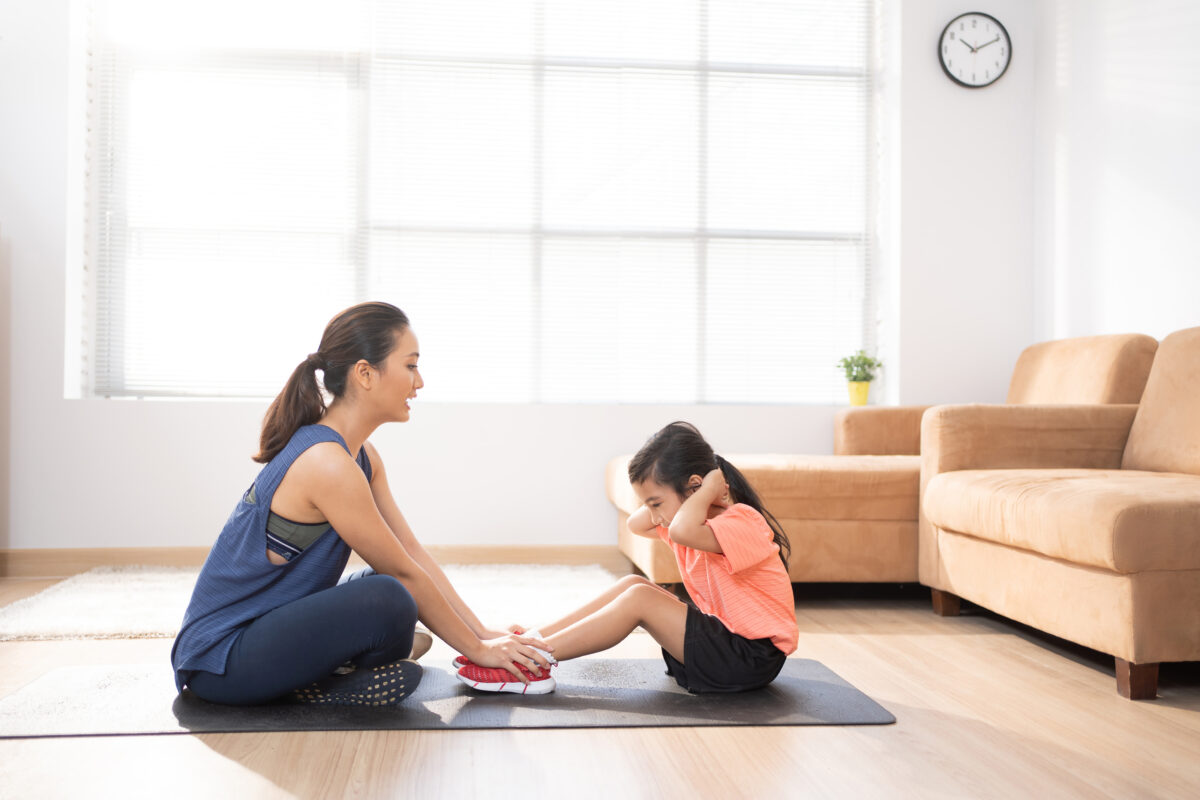
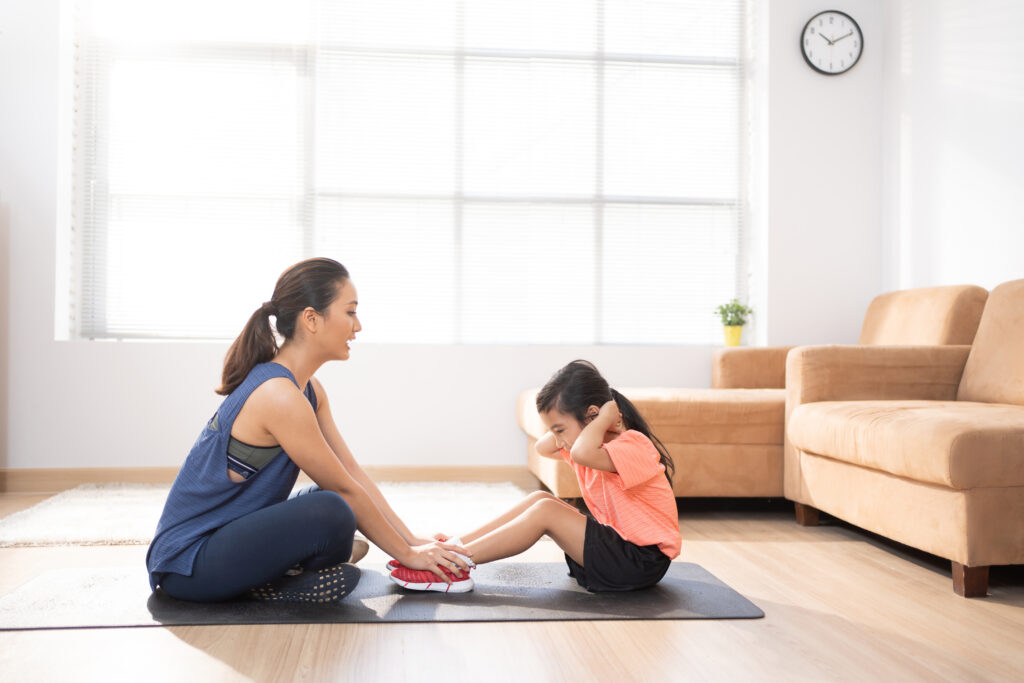
Children have a heavy academic workload and spend more time at home, losing many opportunities to exercise. However, the development of children’s limb muscles is very important, and some stretching exercises for the waist and upper limbs can be done at home.

The first set of exercises is the lunge and twist, which helps to exercise the core muscles and lower limb muscles. First, open your feet to hip width, place your hands on both sides of your body, step out with your right foot to maintain a 90-degree angle on both knees, open your hands with palms facing forward, slowly turn to the right, and hold for two seconds. Then return to the original position with hands hanging down, repeating on both sides ten times.

The second set of exercises is quadruped limb raises. These exercises help strengthen our back and limb muscles. If possible, use a yoga mat to avoid putting pressure on your knees. First, start on all fours with your hands shoulder-width apart and your knees hip-width apart. Lift your right hand and left leg straight out, creating a horizontal line. Tighten your back and abdominal muscles, hold for two seconds, then switch to your left hand and right leg. Alternate between both sides for a total of ten reps.

Categories
Parents Zone

How should parents deal with young children who are overly addicted to cell phone games

June 2026

Source: Family Dynamic, Marriage and Family Therapist, and Hypnotherapist, Wong Shi Ming

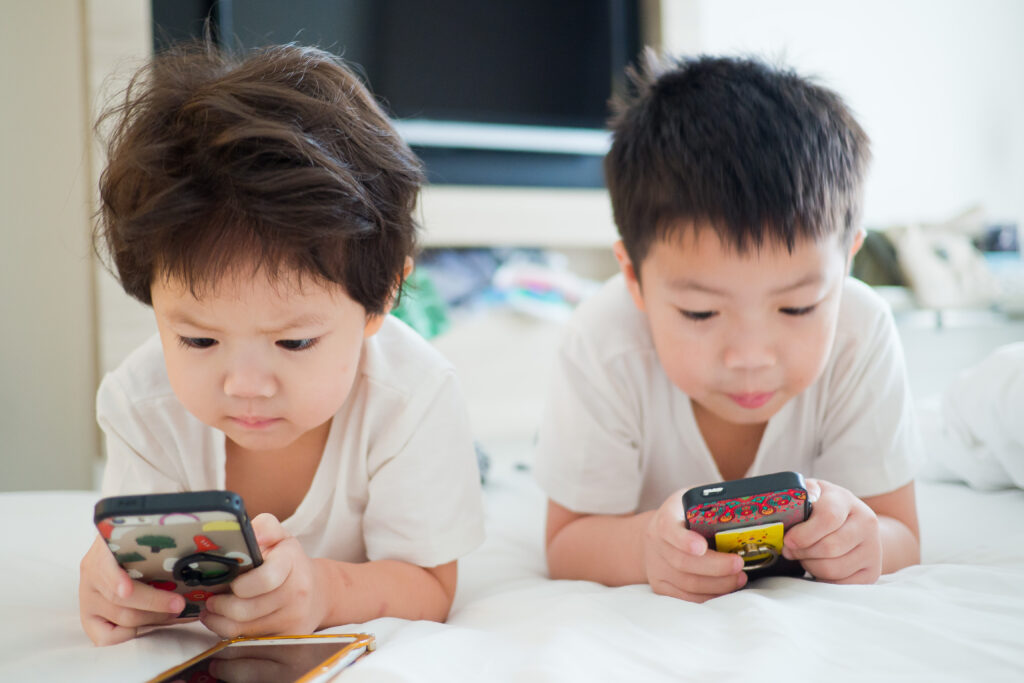
Phones emit light and sound, which always attracts children to play endlessly. Some children cannot let go of their phones no matter what they are doing, whether it is eating, riding in a car, or going to school. How can parents solve this problem?

First of all, everyone should understand that the children’s reaction is inevitable. Phones can provide a lot of sensory stimulation, and there is no game over. It can be restarted, which gives a sense of accomplishment and can also distance children from the pressure and frustration of parents and school, making them feel invincible. Physiologically speaking, playing electronic games will release a large amount of dopamine in the brain, which excites and stimulates the frontal lobe, and gradually loses self-control. Therefore, many adults cannot control themselves, let alone children?

Children can also be drawn to phones without realizing it, which gives most parents in Hong Kong nightmares today. I see many parents and children caught in a never-ending cycle of struggle and frustration. If not controlled, it not only affects children’s learning but also seriously affects their focus, brain development, health, and eye diseases. Therefore, phone addiction will also be listed as a form of psychological addiction, like alcohol and drugs.

In fact, I have seen a middle school student addicted to playing the mobile game “PUBG,” where he had to pick up items on the ground, some of which could be booby-trapped and explode. What caused him to be hospitalized? He was unable to use his hands to hold objects; instead, he had to touch them lightly, which caused him to feel nervous. He was afraid of using his fingers to pick up things. Therefore, if you discover such a problem, you can handle it early and prevent situations like the one above from happening.

Parents have more experience, wisdom, and resources than their children, and you can’t lose as a parent. Your only weakness is that you love your child too much. You may be too soft-hearted, but you need to know that it’s easy to give but hard to take it back. Therefore, parents should first negotiate a reasonable and feasible plan with their children, such as allowing 30 minutes of playtime per day, but only after they finish their homework.

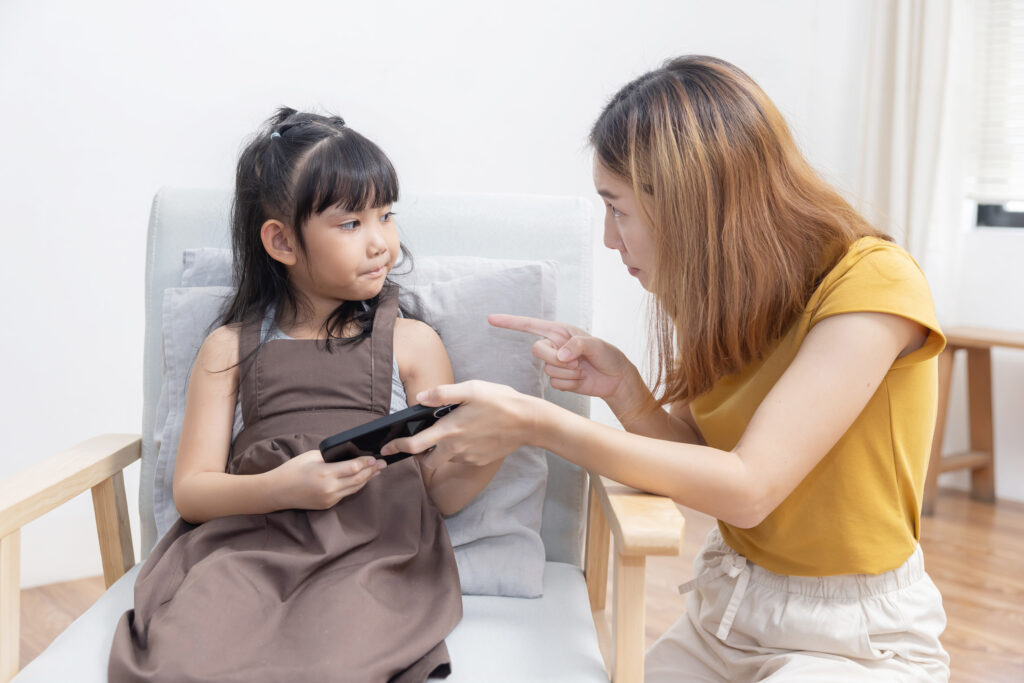
As for controlling children, parents should first choose an appropriate battlefield, avoiding public places, and the best place is at home. Even when taking the phone away, parents should try to avoid physical contact, such as snatching or unplugging the phone cord, which could harm the relationship with their child. Parents should first use a gentle and affirmative tone to warn their child multiple times. If the child still refuses to hand over the phone, remind him of the consequences he agreed to, and eventually, when he falls asleep, you will be able to retrieve it. But parents must firmly execute the consequences without any room for negotiation, even if it means resorting to negative strategies.

To provide a more positive approach, parents can offer opportunities for their children to engage in outdoor activities together and create a family environment that gives children options, a sense of achievement, and a chance to start over, building their confidence and abilities, all of which can help attract children away from their phones.

Finally, many parents worry that if their child doesn’t have a phone while other children do, it could lead to feelings of inadequacy and concerns about falling behind in their development. So, I know it’s not possible to keep kids away from phones completely, but I think parents should try to keep their kids away from phones for as long as possible, especially when they’re young.

At the same time, parents should be careful and not take this issue lightly. With enough creativity and interaction with their children and by remaining persistent, parents can change their children’s habits.

Categories
Parents Zone

What kind of rice is suitable for children’s eating

June 2026

Source: Founder of Kat-Spirit Nutrition Health Centre, Senior Nutritionist, Ng Yiu Fun

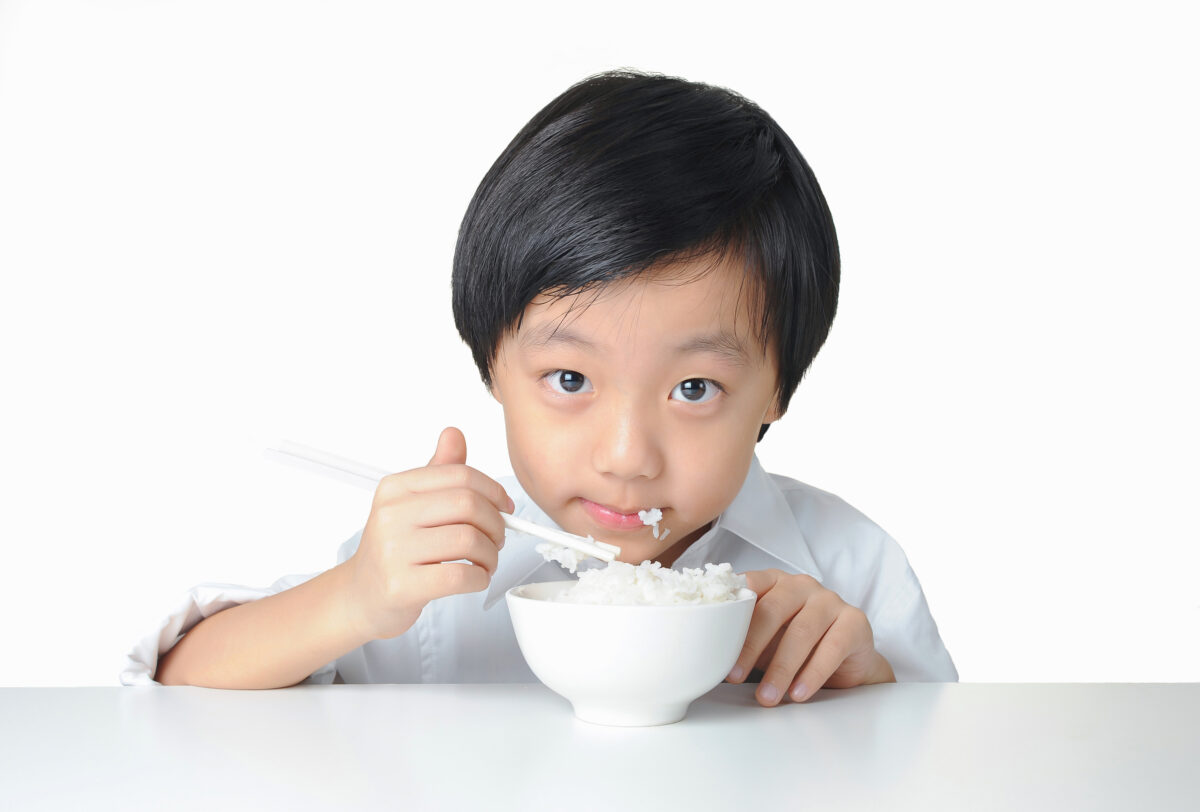
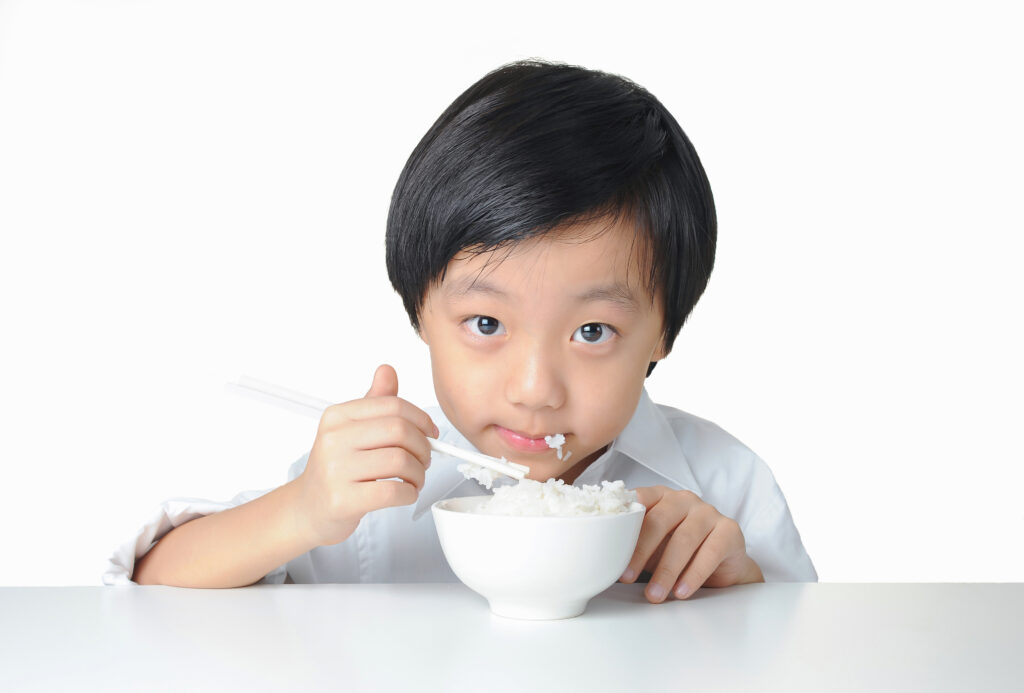
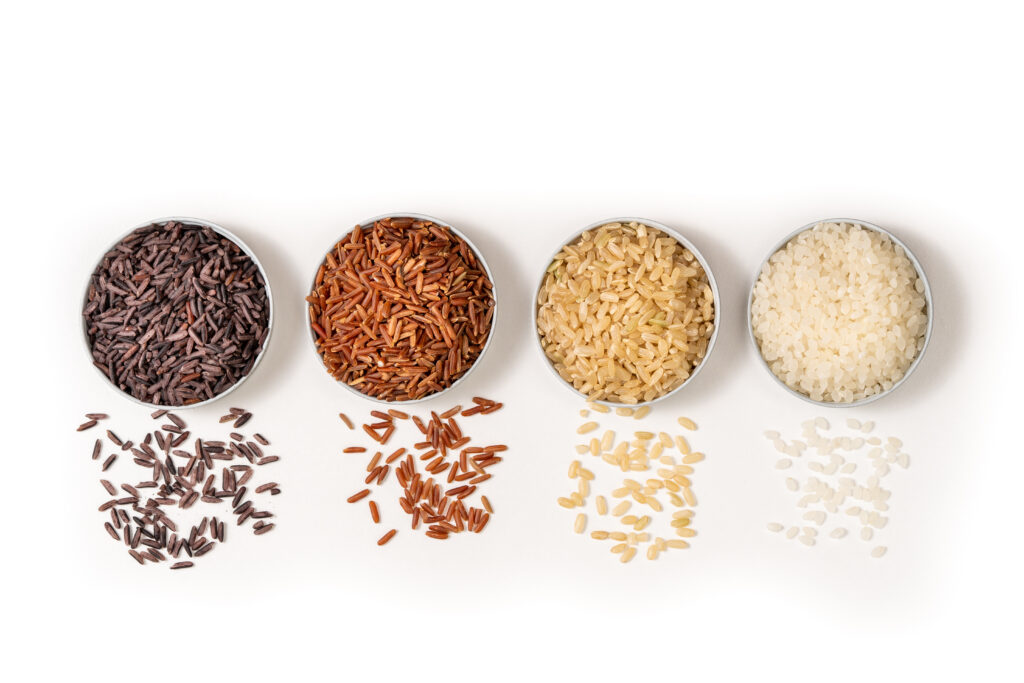
In modern society, we all pay much attention to the nutrition of children. What type of rice will provide more nutrition to children, and will they be willing to eat it? We often cook brown rice or red rice for children to eat, but they do not like it very much. The main reason is that it takes longer to chew or is harder, so they can’t swallow it after chewing for a long time.

This rice may even cause stomach aches in adults. Children’s digestive abilities are not as good as adults’, so we are worried that they may have stomach aches. Nowadays, many people do not eat white rice; they may switch to germ rice, millet rice, or oatmeal rice, and among them, I would recommend millet rice the most!

The price of millet rice is relatively inexpensive, about ten dollars or so a catty. If it costs less than $20 per catty, it is both nutritious and inexpensive, a kind of smooth and creamy food that can even be cooked into porridge. This is a good choice for cooking millet rice; even if you add rice, you will not notice a difference in texture, which is typical of white rice. Children will not feel that you have added something strange to it; they will naturally eat. It’s soft and wouldn’t cause a stomach ache.

If you do not eat this, there are other options, such as germ rice, but if you pay attention to what germ rice is, it is brown rice, and then peel a layer of the shell, there will be less fiber. But it retains the most nutritious part of the germ; the vitamin B complex is also in this part, so it is very nutritious, but the fiber is less than in brown rice. The taste will be smoother, and it will not feel as hard, but the price will be relatively high, possibly sixty to seventy dollars.

Another mid-priced option is quinoa. Quinoa is available in black, red, and white. If children are nervous about the color and don’t like to eat it, they may choose white quinoa, which is rich in nutrients. Black quinoa is higher in iron and anthocyanins.

I don’t recommend ten-grain rice for children, as their stomachs are more delicate, and the rice may need to be soaked overnight before it becomes soft. They may feel like there are many different kinds of rice in it and not like it. Of course, some children are more curious and may like it. But many children are accustomed to eating regular food when they are small and will only try different foods when they grow up. We may wait until they are ten or eight years old before giving ten-grain rice. However, we still need to soak it before boiling it with other rice. Otherwise, even if it is healthy, it will cause stomach aches.

Some people will put red beans in; how exactly do we put them in? We have to pre-soak the red beans until they are soft, or even boil them until they are soft, before cooking them with rice. In fact, red bean rice is very nutritious; for example, Japanese like eating red bean rice. Also, there are other types of rice, like sweet potato rice, corn rice, and chestnut rice, which is suitable for eating in autumn. Different combinations make eating rice more interesting than just plain white rice. Chestnuts are high in calcium and iron to enhance bone growth and help prevent anemia, and people will be more energetic and not so easily fatigued.

Categories
Parents Zone

Why will children pamper

June 2026

Written by:Dr. Wilbert Law, an assistant professor in the psychology department at Hong Kong University of Education and a registered educational psychologist. 

How do parents react when their children coax and pamper them, ask for different things,  or play with them in a baby-like voice? Do you think children are troublesome? Or do you feel that your child is just messing around, doing nothing serious?

But why will children pamper? Research has shown that adults are particularly sensitive to the sound of pampering, so it is easier to catch their attention. It is possible that the child is pampering his parents because he needs your attention at that moment. Sometimes adults are so busy with their lives that they may neglect them, so children will pamper their parents when they see them.

Another possibility is that when children are tired or feel powerless, they may pamper or   act like babies. These behaviors are very common in the growing-up stage.

How can parents respond when their children are pampering their parents? In fact, when we understand the possibility of our children’s pampering, we know that they are not deliberately provoking parents, they can try to sit down and talk with their children to understand their needs, especially if the child is pampering because he or she is tired. We can help them express themselves with some words. For example, ask your child, “How do you feel?” “Are you very tired?” “What can I do for you?”

Of course, you may also want to reduce your child’s pampering behavior by encouraging them more, using age-appropriate words and behaviors, and praising and affirming them more often. When they are pampering you, do not scold or mock them.

This site is registered on wpml.org as a development site.